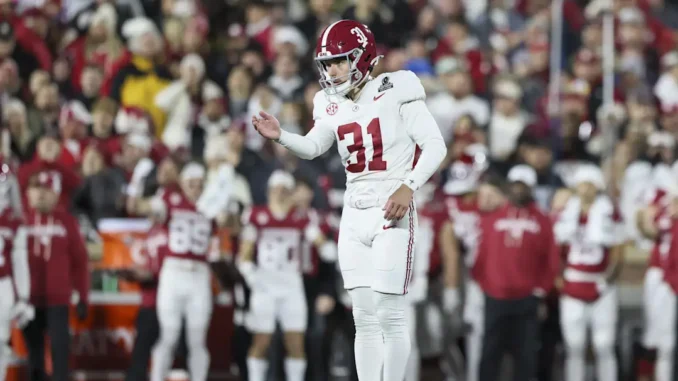
Special Teams Step Up for Alabama in CFP Win over Oklahoma
In a thrilling first-round matchup of the 2025 College Football Playoff, the No. 9 seed Alabama Crimson Tide staged a remarkable comeback to defeat the No. 8 seed Oklahoma Sooners 34-24 on December 19, 2025, at Gaylord Family-Oklahoma Memorial Stadium in Norman. Trailing 17-0 early in the second quarter, Alabama erupted for 27 unanswered points, propelled in large part by a dominant performance from its special teams unit. While the Crimson Tide’s offense and defense eventually found their rhythm under quarterback Ty Simpson, it was the often-maligned special teams—led by kicker Conor Talty’s perfection and a pivotal mishandled punt recovery—that provided the spark for one of the largest postseason comebacks in Alabama history.
Special teams have been a point of contention for Alabama throughout the 2025 season. Entering the playoff rematch against Oklahoma, the unit carried baggage from the regular-season meeting on November 15, where the Sooners edged the Tide 23-21 in Tuscaloosa. In that game, Alabama’s special teams faltered dramatically: a muffed punt by freshman Ryan Williams set up an Oklahoma touchdown, and Conor Talty missed a crucial field goal after a high snap, contributing directly to the two-point defeat. Oklahoma dominated the third phase that night, turning turnovers and field position into decisive advantages.
Fast forward to the playoff clash, and the script flipped entirely. On a blustery, swirling-wind night in Norman that challenged both kicking games, Alabama’s special teams not only neutralized Oklahoma’s strengths but exploited their weaknesses to swing momentum irreversibly.
Conor Talty’s Redemption: Perfect Under Pressure
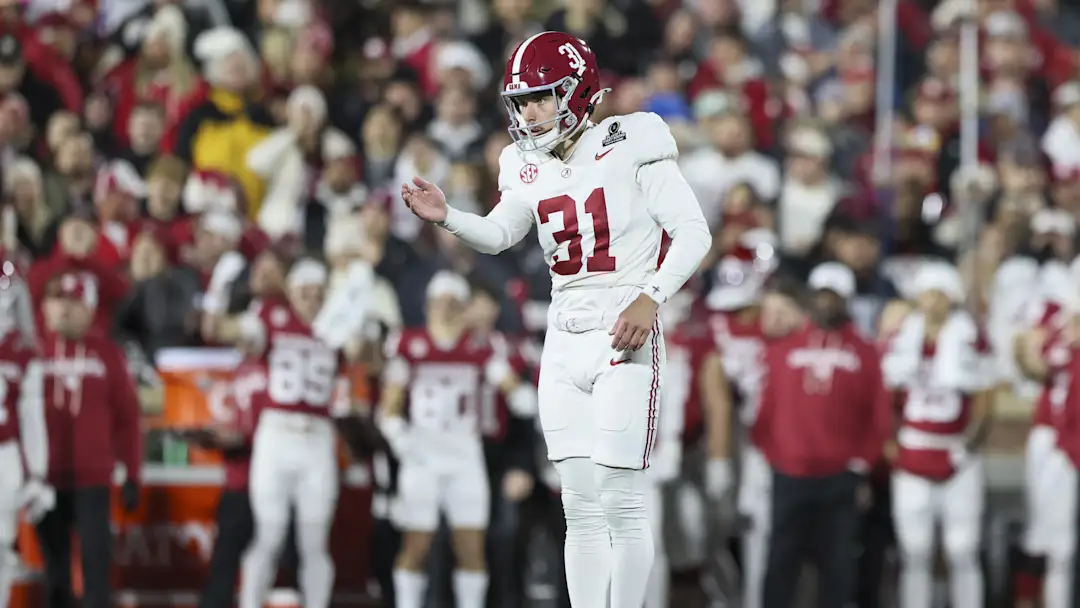
At the center of Alabama’s special teams resurgence was sophomore kicker Conor Talty, who delivered a flawless performance when his team needed it most. Talty, who had struggled with consistency throughout the season—finishing the regular year 13-of-20 on field goals—went 2-for-2 in the playoff game, converting from 35 and 40 yards. Both kicks came in critical moments, extending drives that the offense couldn’t quite finish and maintaining Alabama’s momentum during their comeback surge.
Talty’s first make came late in the second quarter, capping a short drive set up by the game’s defining special teams play (more on that below). Trailing 17-7 after Oklahoma’s early dominance, Alabama capitalized on excellent field position to march inside the Sooners’ 20. Though the offense stalled, Talty calmly drilled a 35-yard field goal through the unpredictable winds, cutting the deficit to 17-10. It was more than just three points; it was a statement from a kicker who had faced boos from his own fans earlier in the season and intense scrutiny after the regular-season loss to Oklahoma.
His second field goal, a 40-yarder in the third quarter, pushed Alabama’s lead to 27-17 after the Tide had seized control. Again, the kick navigated swirling gusts that plagued both teams’ specialists. Oklahoma’s Tate Sandell, the 2025 Lou Groza Award winner as the nation’s top kicker, went just 1-for-3 on the night, missing two attempts in the fourth quarter as the Sooners desperately tried to claw back into a one-score game. Sandell’s misses—coupled with his perfect regular-season reputation from long range—highlighted the stark contrast in kicking reliability.
Head coach Kalen DeBoer praised Talty postgame, noting the challenging conditions: “The punt early in the game and just obviously Talty making his field goals—windy, it was kind of swirling. You stand on one end, it’s going one way; it kind of gets inside the stadium, goes the other.” Talty’s perfection wasn’t just statistical; it was redemptive. Since being booed after a miss against Eastern Illinois, he had gone 4-for-4 on the road, including these playoff makes. In a game where points were at a premium against Oklahoma’s stout defense, Talty’s reliability provided the cushion Alabama needed.
The Mishandled Punt: Tim Keenan III’s Momentum-Shifting Play
If Talty provided the steady points, defensive lineman Tim Keenan III delivered the explosive turnover that ignited Alabama’s rally. With Oklahoma leading 17-7 midway through the second quarter and threatening to extend their advantage, the Sooners were forced into a punting situation after a defensive stand. Enter punter Grayson Miller, one of the nation’s top specialists entering the game.
In a stunning mishap, Miller mishandled the snap cleanly, dropping the ball as he prepared to kick. Keenan, a 6-foot-2, 330-pound disruptor rushing from the edge, pounced immediately—blocking the loose ball and recovering it himself at the Oklahoma 30-yard line. The play wasn’t a traditional block through the line but a opportunistic smother after the fumble, giving Alabama prime field position in a game where yards were hard-earned.
The Crimson Tide offense, which had managed just 12 yards to Oklahoma’s 181 in the early going, capitalized quickly. Though they couldn’t punch it into the end zone, the drive ended with Talty’s 35-yard field goal, narrowing the gap to 17-10. More importantly, the recovery flipped the field’s momentum. On the ensuing drive, Alabama cornerback Zabien Brown intercepted Sooners quarterback John Mateer and returned it 50 yards for a pick-six, tying the game at 17-17 heading into halftime.
Keenan’s play was the catalyst. As DeBoer noted afterward, “Field position against an Oklahoma team is so critical with their defense.” The Sooners’ elite defense had stifled Alabama early, but the short field flipped the script. Keenan’s block/recovery wasn’t just a single play; it represented Alabama’s aggressive special teams scheme paying off. The unit had been conservative in rush attempts earlier, but the pressure forced the error.
Broader Special Teams Impact: Flipping the Script
Alabama’s special teams dominance extended beyond Talty and Keenan. Punter Blake Doud, despite an inconsistent day pinning punts inside the 20, provided solid hang time that limited Oklahoma’s return game—a stark reversal from the regular-season meeting where Sooners returner Isaiah Sategna gashed the Tide. Freshman Cole Adams averaged eight yards on punt returns for Alabama, adding hidden yards.
Overall, the unit forced Oklahoma into mistakes while avoiding their own. The Sooners, who had relied heavily on special teams and defense to reach the playoff (with an offense ranking among the CFP’s worst), saw their strengths crumble. Sandell’s misses, Miller’s fumble, and general field position losses doomed their comeback attempts.
This performance validated DeBoer’s emphasis on the third phase. Alabama’s special teams had been the “bane of the Crimson Tide’s existence” in losses, including two to Oklahoma in the past 13 months. But in the playoff, they were the difference-maker, contributing directly to 10 points (two field goals and setup for others) and shifting momentum during a 27-0 run.
Implications for Alabama’s Playoff Run
With the 34-24 victory, Alabama advanced to the Rose Bowl quarterfinal on January 1 against No. 1 seed Indiana, avenging the regular-season loss and keeping their national title hopes alive. The special teams’ heroics underscored the Tide’s resilience under DeBoer in his second year. From a 17-point deficit—the largest overcome in Alabama postseason history—the win showcased a complete team effort, but special teams provided the initial spark.
Talty’s perfection and the mishandled punt recovery weren’t just highlights; they were turning points in a season-defining game. As Alabama prepares for the Hoosiers, a continued strong showing from special teams could be the X-factor in a deeper playoff push. For a unit that started the year as a liability, Friday night’s performance in Norman was a resounding statement: Alabama’s special teams have arrived.
Leave a Reply