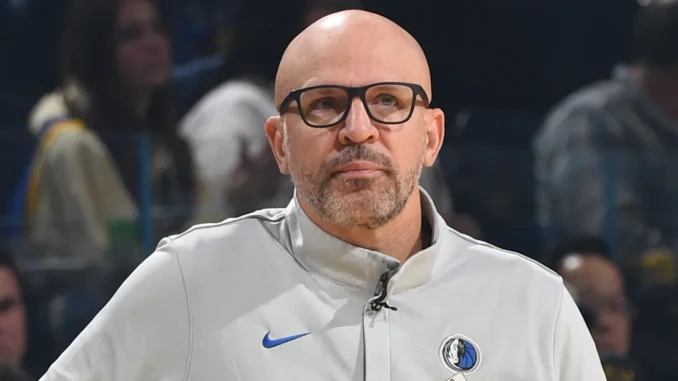
The Mavericks’ Crucial Starting Lineup Change Is Staring Jason Kidd in the Face: It’s Time to Bench D’Angelo Russell and Commit to Ryan Nembhard at Point Guard
The Dallas Mavericks sit at 12-20 as of December 26, 2025, mired in a disappointing season that has seen them struggle with offensive flow, defensive lapses, and a revolving door at the point guard position. Head coach Jason Kidd has experimented extensively with his starting lineup, particularly at the lead guard spot, in the absence of Kyrie Irving, who continues to recover from a torn ACL with no clear return timeline. From starting rookie sensation Cooper Flagg at point guard early in the season to inserting veterans like D’Angelo Russell and even Brandon Williams, Kidd’s tinkering has yielded mixed results at best.
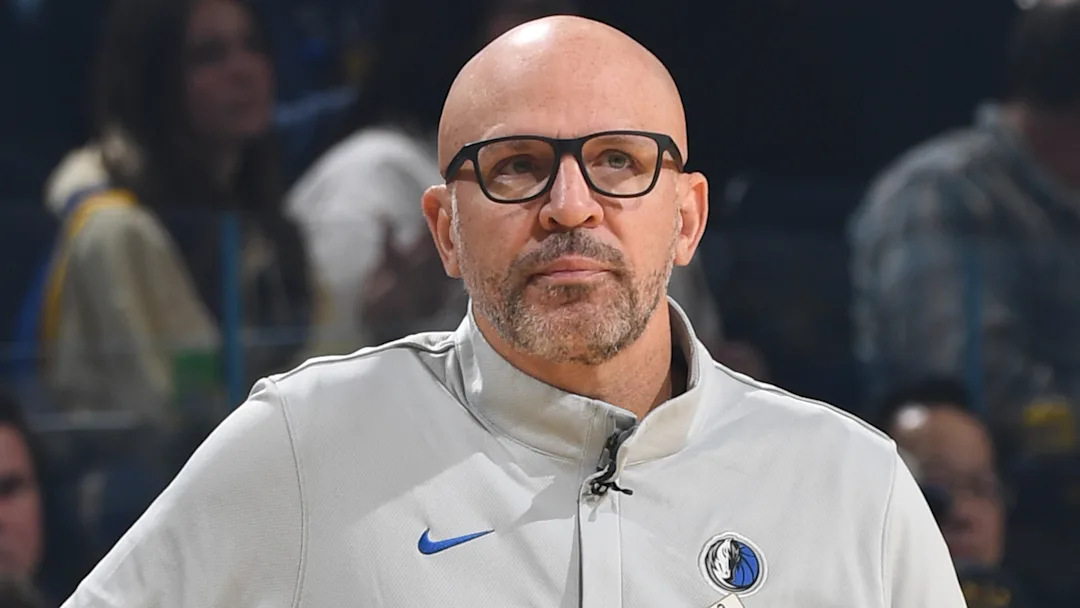
But the solution to Dallas’ point guard woes—and perhaps the key to salvaging this season—is glaringly obvious: it’s time to make a permanent change and hand the starting point guard role to undrafted rookie Ryan Nembhard. Nembhard’s recent performances have provided stability, efficiency, and playmaking that the Mavericks have desperately lacked. Sticking with inconsistent options like Russell is holding the team back, and Kidd must recognize that the future (and present) of the offense runs through the 5’11” Canadian guard.
The Mavericks’ Point Guard Carousel: A Season of Experimentation
To understand why a change is overdue, let’s recap the chaos at the position this season.
The Mavericks entered 2025-26 with significant uncertainty in the backcourt. After trading Luka Dončić in a blockbuster deal that brought Anthony Davis to Dallas, the team reloaded around Davis, No. 1 overall pick Cooper Flagg, and a mix of veterans like Klay Thompson and P.J. Washington. But Kyrie Irving’s ACL injury sidelined their primary ball-handler for most (if not all) of the year, forcing Kidd to get creative.
Early on, Kidd boldly started Flagg—a 6’9″ forward with elite vision and handling—at point guard, creating a jumbo lineup emphasizing size and defense alongside Thompson, Washington, Davis, and Dereck Lively II. The idea was intriguing: Flagg’s versatility could exploit mismatches, and his playmaking would allow the offense to flow through multiple threats. However, the experiment fizzled quickly. Flagg, at just 18 years old, struggled with the full-court pressure and decision-making demands of running an NBA offense full-time. Dallas went 1-6 in games where Flagg handled primary point guard duties, with the offense ranking near the bottom of the league in efficiency during those stretches.
Kidd pivoted, inserting D’Angelo Russell into the starting lineup in early November. Russell, signed in the offseason to provide scoring and creation, offered a more traditional point guard profile. But his tenure as starter has been underwhelming. While capable of hot scoring nights, Russell’s shot selection has been erratic, his defense lackluster, and his overall impact inconsistent. In games started by Russell, the Mavericks have often seen stagnant half-court sets and high turnovers, exacerbated by his tendency to hunt inefficient shots.
Brief stints with Brandon Williams followed, providing bursts of speed and energy off the bench, but not enough consistency to lock down the role. Other options like Jaden Hardy and Dante Exum have seen minutes, but none have seized the job.
Enter Ryan Nembhard.
Signed to a two-way contract after going undrafted out of Gonzaga, Nembhard was initially viewed as a developmental piece—perhaps a Summer League standout who might contribute sparingly. But necessity bred opportunity. Kidd inserted him into the starting lineup in late November, and the results have been transformative.
Why Ryan Nembhard Is the Answer
Nembhard’s numbers speak for themselves, but they only tell part of the story. As a starter (12 games through December 24), he’s averaging around 11-12 points, 6-7 assists, and just 1-2 turnovers per game on highly efficient shooting (near 49% FG and 41% from three). More importantly, the Mavericks’ offense has hummed with him at the helm.
- Tempo Control and Decision-Making: Nembhard excels at probing defenses, making quick reads, and getting the ball to open shooters like Thompson or cutters like Davis and Flagg. His low turnover rate has stabilized an offense prone to live-ball mistakes under previous starters.
- Efficiency and Spacing: Unlike Russell’s volume-scoring approach, Nembhard picks his spots wisely. His mid-range pull-up and improving three-point shot force defenses to respect him, opening driving lanes for Flagg and lob threats for Davis/Lively.
- Recent Surge: Dallas has shown marked improvement since Nembhard became the full-time starter, going 7-5 in his starting appearances (as of late December). Highlights include a composed performance in a tight win over Denver on December 23, where he dished seven assists with minimal mistakes against Nikola Jokić’s defense. Kidd himself has praised Nembhard’s “trustworthiness,” noting postgame how the rookie’s poise has earned increased responsibility.
Compare this to Russell’s starts: higher usage, more turnovers, and defensive liabilities that opposing teams exploit. Russell’s skill set is better suited as a sixth man scorer off the bench, where he can hunt shots without the primary facilitation burden.
Flagg has also thrived with Nembhard running point. Freed from heavy ball-handling duties, Flagg has posted better scoring efficiency (up to 17-20 PPG in recent games) and more assists, playing closer to his natural forward role. The duo—two rookies with high basketball IQs—has shown flashes of a dynamic partnership that could anchor Dallas for years.
The Risks of Sticking with the Status Quo
Continuing to rotate Russell (or revert to him) risks derailing the season further. At 12-20, the Mavericks are already on the fringes of the Play-In picture in the loaded Western Conference. Offensive stagnation has been their Achilles’ heel, ranking bottom-10 in efficiency for much of the year. Russell’s inconsistencies amplify this: poor shot selection leads to long rebounds and transition opportunities for opponents, and his defense often leaves gaps that savvy teams attack.
Moreover, delaying the commitment to Nembhard could stunt his development. He’s on a two-way deal with limited game eligibility remaining; Dallas plans to convert it to a standard contract soon, signaling internal belief. But minutes matter—consistent starting reps will accelerate his growth, especially alongside stars like Davis and Flagg.
Kidd has shown willingness to experiment, which is commendable in a rebuild-ish season post-Dončić trade. But experimentation without commitment breeds inconsistency. The data and eye test both point to Nembhard as the stabilizer this team needs.
Potential Counterarguments and Rebuttals
Critics might argue Nembhard’s size (5’11”) is a defensive liability, especially in a switch-heavy league. Fair point—but he’s scrappy, intelligent, and benefits from Dallas’ length elsewhere (Flagg, Washington, Davis). The team’s defensive rating has held steady or improved slightly with him starting.
Others may prefer Russell’s scoring upside for win-now purposes. But with Irving potentially returning mid-season (or later), Russell’s role diminishes anyway. Prioritizing short-term scoring over long-term fit ignores the roster’s timeline: Flagg and Nembhard are the future core.
Finally, some might say it’s too early for a rookie to lead. Yet history is littered with successful rookie point guards (e.g., Trae Young, LaMelo Ball). Nembhard’s maturity—honed at Gonzaga and as brother to Pacers guard Andrew Nembhard—sets him apart.
The Path Forward: Commit and Build Around the Rookies
Jason Kidd faces a pivotal decision. The crucial change staring him in the face isn’t another veteran stopgap or gimmick lineup—it’s elevating Ryan Nembhard to unquestioned starter.
Pair him permanently with a backcourt of, say, Jaden Hardy or Max Christie for shooting, Flagg at the 3, Washington at the 4, and Davis at center. Bench Russell for spark-plug minutes, and let Thompson provide veteran spacing.
This lineup maximizes Flagg’s versatility, Davis’s dominance inside, and Nembhard’s orchestration. It could spark a late-season push, keeping Dallas competitive while developing their young cornerstone.
The Mavericks have talent—Davis remains an elite two-way force, Flagg is living up to the hype with recent 30-point outbursts, and role players like Naji Marshall contribute grit. But without a reliable point guard, it all falls flat.
It’s time, Coach Kidd. Make the change. Start Ryan Nembhard. The evidence is overwhelming, and the season hangs in the balance.
Leave a Reply