Lessons from the Hawks Win: How the Miami Heat Can Dominate the Struggling Pacers
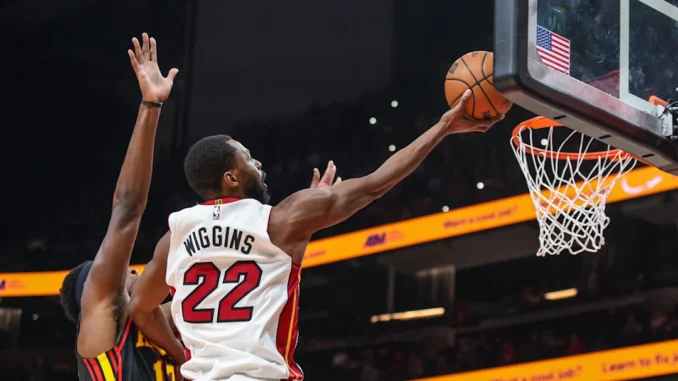
The Miami Heat entered their December 26, 2025, road matchup against the Atlanta Hawks on a downward spiral, having dropped eight of their previous nine games and sitting at 15-15. Missing key players like Tyler Herro (toe) and with Bam Adebayo sidelined, the Heat leaned on a makeshift lineup featuring Norman Powell, Pelle Larsson (in his return from injury), Andrew Wiggins, Jaime Jaquez Jr., and Kel’el Ware. What unfolded was a resounding 126-111 victory—a game where Miami rediscovered its offensive rhythm, dominated transition, and imposed physicality on a Hawks team that, despite Trae Young’s 30 points, couldn’t keep pace.
Norman Powell led with 25 points, Pelle Larsson delivered a career-high 21 in a surprise starting role, Andrew Wiggins added 18, and Jaime Jaquez Jr. contributed 16 off the bench. The Heat exploded for 36 points in the fourth quarter, pulling away decisively after a tight first half. They attacked early in the shot clock, generated turnovers (forcing 21 from Atlanta), and outrebounded the Hawks 52-40. This win pushed Miami to 16-15, providing crucial momentum heading into their December 27 home game against the Indiana Pacers.
The Pacers, meanwhile, are in freefall. At 6-25, they’re mired in a seven-game losing streak, dead last in offensive rating, and without their franchise cornerstone, Tyrese Haliburton, who is out for the entire season recovering from a torn Achilles suffered in the 2025 Finals. Injuries have decimated the roster: Aaron Nesmith (knee), Isaiah Jackson (concussion), Ben Sheppard (calf), and others are sidelined, leaving Pascal Siakam (averaging 23.1 PPG) as the primary threat alongside Andrew Nembhard.
Erik Spoelstra’s squad can directly translate several elements from the Hawks triumph to exploit Indiana’s vulnerabilities. Here’s a deep dive into the key lessons and how they apply against the Pacers in this critical back-to-back finale.
1. Revive the Early-Offense Attack and Transition Dominance
One of the standout features of the Hawks win was Miami’s return to its early-season identity: pushing the pace and attacking before defenses set. The Heat scored in transition repeatedly, capitalizing on Atlanta’s poor defensive rotations. Pelle Larsson’s athletic drives and quick catches-and-shoots embodied this, as did Norman Powell’s aggressive probing.
Against the Pacers, this approach could be even more lethal. Indiana ranks near the bottom in transition defense, allowing opponents to score efficiently off turnovers and fast breaks. Without Haliburton’s elite playmaking (the engine of their formerly high-octane offense), the Pacers struggle to get back quickly, often leaving lanes open. Miami forced 21 turnovers against Atlanta—expect Spoelstra to dial up full-court pressure with Davion Mitchell and others to disrupt Nembhard and T.J. McConnell, generating easy buckets.
In the Hawks game, Miami’s 36 fourth-quarter points came largely from transition and early-clock attacks. Repeating this against a Pacers team averaging just 109.6 points (29th in the league) could lead to another outburst, especially at home where the Heat are 10-5 this season.
2. Bench Production and Depth Exploitation
The Hawks victory highlighted Miami’s depth, even amid injuries. Jaime Jaquez Jr.’s 16 points off the bench and Larsson’s breakout provided the spark when starters needed breathers. The second unit maintained momentum, outscoring Atlanta’s reserves and preventing any Hawks runs.
Indiana’s injury-ravaged bench is a glaring weakness. With limited options beyond Siakam and Nembhard, the Pacers rely heavily on veterans like McConnell but lack consistent scoring threats. Young players like Jarace Walker and Jay Huff see heavy minutes but are inconsistent. Miami can overwhelm them with waves of fresh bodies—Jaquez, Alec Burks, Haywood Highsmith, and others—to wear down Indiana late.
Spoelstra’s rotation experimentation paid off against Atlanta; expect similar creativity here. If Adebayo remains out (back soreness from the Hawks game), Kel’el Ware’s rebounding and rim protection can exploit Indiana’s poor board work (they rank 28th in opponent rebounds allowed).
3. Physicality and Paint Dominance
Miami imposed its will inside against the Hawks, outrebounding them decisively and attacking the rim relentlessly. Wiggins and Larsson’s drives drew fouls, while Ware anchored the paint. The Heat shot efficiently (over 50% in stretches) by avoiding over-reliance on threes and focusing on high-percentage looks.
The Pacers are vulnerable here: they allow 118.4 points per game (22nd) and struggle with interior defense without their full frontline. Siakam is tough, but Indiana lacks the size and athleticism to match Miami’s physical wings. Powell and Wiggins can isolate on slower defenders, while Jaquez’s bully-ball style could feast in the mid-post.
Additionally, Miami’s defensive physicality disrupted Trae Young’s rhythm at times. Applying similar pressure to Siakam—doubling in the post, forcing turnovers—could limit his efficiency. The Heat rank top-10 defensively when committed; channeling that against a low-scoring Pacers offense (bottom in FG% and 3P%) should yield stops and transitions.
4. Perimeter Shooting and Spacing
While not the primary weapon against Atlanta, Miami knocked down timely threes (Larsson’s early bombs set the tone). Powell and Wiggins provide spacing, opening driving lanes.
Indiana’s perimeter defense is middling, and without Haliburton’s gravity, their offense clogs the paint, leaving shooters open on the weak side. If Herro remains out, players like Duncan Robinson (if active) or Burks can capitalize on kick-outs from drives.
5. Mental Resilience and Closing Games
The Heat overcame a sluggish stretch by dominating the fourth quarter against Atlanta, pulling away with a 36-27 edge. This showed resilience after recent blowouts.
Facing a demoralized Pacers team on a long losing streak, Miami must avoid complacency. Indiana plays hard under Rick Carlisle, with Siakam providing leadership. But the Pacers’ poor record (1-14 on the road) and turnover issues make them ripe for a blowout if Miami starts strong.
Potential Adjustments and Matchup Advantages
- Guard Play: Mitchell and Powell can hound Nembhard/McConnell, limiting playmaking.
- Rebounding Battle: Ware and Highsmith vs. Huff/Siakam—Miami’s athleticism wins.
- Pace Control: Push tempo to exploit Indiana’s transition woes.
- Free Throws: Attack to get to the line; Pacers commit many fouls.
The odds heavily favor Miami (-8.5 spread, -372 moneyline), reflecting Indiana’s struggles. Translating the Hawks blueprint—pace, physicality, depth—could result in a statement win, pushing the Heat further above .500 and building confidence.
In a season of ups and downs, the Hawks victory reminded everyone of Miami’s potential when clicking. Against a depleted Pacers squad desperate for any positive, the Heat have a golden opportunity to carry that momentum forward. Expect a focused, aggressive performance at Kaseya Center—one that buries Indiana and signals Miami’s intent to climb the Eastern Conference standings.
Leave a Reply