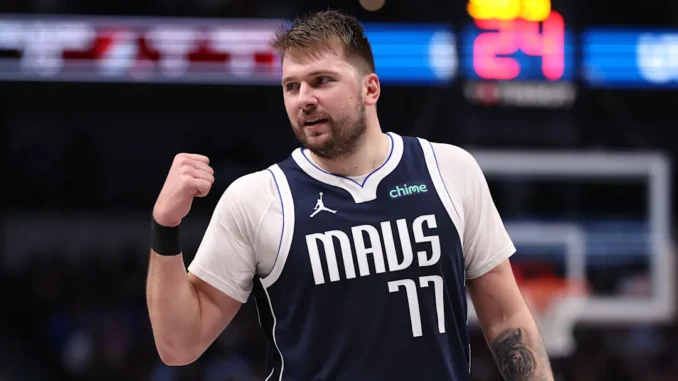
Lakers Are Learning What Mavericks Always Knew About Luka Dončić
Luka Dončić’s arrival in Los Angeles via the blockbuster February 2025 trade for Anthony Davis was hailed as a franchise-altering coup for the Lakers. Pairing the 26-year-old generational talent with LeBron James promised offensive fireworks and a bright future. Yet, as the 2025-26 season unfolds into January 2026, a familiar narrative has emerged: Dončić is an offensive supernova, but his defensive shortcomings and certain intangibles—effort lapses, referee complaints, and occasional disengagement—are testing the patience of Lakers fans and analysts alike. This is precisely what Dallas Mavericks supporters endured for years, and now the Purple and Gold faithful are riding the same emotional rollercoaster.
The Blockbuster Trade: Hopes and Immediate Impact
The trade, announced on February 2, 2025, sent shockwaves through the NBA. The Lakers acquired Dončić, Maxi Kleber, and Markieff Morris in exchange for Anthony Davis, Max Christie, and assets that routed through the Utah Jazz. At the time, it was widely viewed as a heist for Los Angeles: a younger, offensive-dominant superstar for an aging Davis amid injury concerns.
Dončić quickly adapted, signing a three-year, $165 million extension in August 2025. In his partial 2024-25 season with the Lakers (52 games post-trade), he averaged 30.7 points, 8.1 rebounds, and 8.1 assists. Entering 2025-26 as the full-time cornerstone alongside James, expectations soared.
Through early January 2026, the Lakers sit at 21-11, fifth in the West. Dončić leads the league in scoring at 33.6 PPG (on .459/.317/.801 shooting), with 8.1 rebounds and 8.7 assists. He’s delivered signature performances: 34 points in a blowout win over Sacramento, another 34 against Memphis. Offensively, he’s everything advertised—unstoppable in isolation, a masterful playmaker, and a clutch shot-maker.
But the cracks appear on the other end.
Defensive Struggles: The Persistent Achilles’ Heel
Dončić’s defense has long been scrutinized. In Dallas, critics highlighted his lack of lateral quickness, occasional effort dips, and propensity to complain to officials rather than sprint back. The Mavericks mitigated this by surrounding him with athletic wings (Derrick Jones Jr., P.J. Washington) and rim protectors (Daniel Gafford), achieving top-10 defenses in key stretches.
In Los Angeles, the supporting cast isn’t as tailored. The Lakers rank middling defensively (around 15th-18th in ratings), allowing high-efficiency shots and struggling in transition. Dončić’s individual defensive rating hovers around 115-118, often the weak link in lineups.
Analysts like Chris Mannix and Rachel Nichols have been blunt: “Luka Dončić, defensively, is the problem with the Los Angeles Lakers.” Nichols added, “Luka is probably never going to be a great defensive player… never gonna put in the effort and energy on defense that he does on offense.” This echoes why Dallas ultimately moved on—believing championship defense couldn’t be built around him as the focal point.
Hall of Famer Reggie Miller called out Dončić during a broadcast: “It’s OK, Luka, to move your feet a little bit… What does he do? He just throws up his hands.” Compilations of lapses—failing to rotate, slow transitions, standing motionless—have gone viral, frustrating fans accustomed to two-way stars like Kobe Bryant or even prime LeBron.
Head coach JJ Redick has repeatedly addressed team defense, noting struggles “start with the head of the snake.” Pairing Dončić with James (no longer a defensive stalwart) and Austin Reaves exacerbates issues: lineups featuring the trio allow over 118 points per 100 possessions.
Intangibles: The Frustrating Side of Genius
Beyond raw defense, Dončić’s intangibles draw ire. His constant referee arguments—leading the league in technicals—disrupt flow. High-usage heliocentric style (often 30+ usage rate) can lead to hero-ball in crunch time, turnover spikes (4.5 per game), and teammate disengagement.
Mavericks fans nod knowingly. Articles like those from The Smoking Cuban note: “Dallas Mavericks fans are now seeing Lakers fans go through this same roller coaster… thrilling one moment, downright frustrating the next.” What Dallas learned: Living with Luka requires tradeoffs—roster tweaks to hide flaws, accepting stretches of disengagement for offensive brilliance.
In LA, the roster (Marcus Smart for on-ball grit, Deandre Ayton at center) helps but doesn’t fully mask issues. Preseason concerns about fit with James have materialized.
Why Dallas Moved On—and Why It Stings Now
Dallas traded Dončić citing defensive sustainability for championships. GM Nico Harrison emphasized “defense wins championships.” Post-trade, the Mavericks landed Cooper Flagg No. 1 overall (despite low odds), rebuilding around youth and balance.
Ironically, some reports suggest Dallas’ defense has regressed without Dončić’s gravity forcing help (though offset by structure). Meanwhile, Lakers fans debate: Was acquiring Luka worth inheriting these flaws?
Experts vary. Some call the trade a “terrible call” for Dallas, arguing you build around Luka differently (elite help defenders). Others validate the move: His style’s unsustainability in playoffs amplifies mistakes.
Jeff Teague sparked debate preferring Cade Cunningham for two-way play. Social media erupts post-losses: “Luka’s defense is killing us.”
Bright Spots and Path Forward
Dončić isn’t hopeless defensively. Flashes show engaged effort—solid isolation containment, team help. Early 2025-26 tape highlighted improvement post-weight loss. When locked in, he’s passable.
Offensively, he’s elevated the Lakers. Pairing with James creates unguardable actions; Reaves thrives as secondary creator.
For contention, LA needs adjustments: Acquire versatile defenders (trade deadline targets?), scheme hides (funnel to Ayton/Smart), demand accountability from Dončić.
Summer 2026 cap space looms for additions around Dončić-Reaves core.
The Rollercoaster Continues
Luka Dončić is among the NBA’s elite—perhaps the best pure scorer/playmaker. His highs are transcendent: step-backs, no-looks, game-winners.
But the lows—defensive lapses, complaints, effort ebbs—are real, magnified under LA’s spotlight.
Mavericks fans endured it for seven years, building around it until deciding otherwise. Now, Lakers Nation learns the same lesson: Genius comes with costs. Embrace the brilliance, mitigate the flaws—or risk frustration overshadowing joy.
As 2026 progresses, Dončić’s Lakers tenure will define whether those tradeoffs yield banners… or regrets.
Leave a Reply