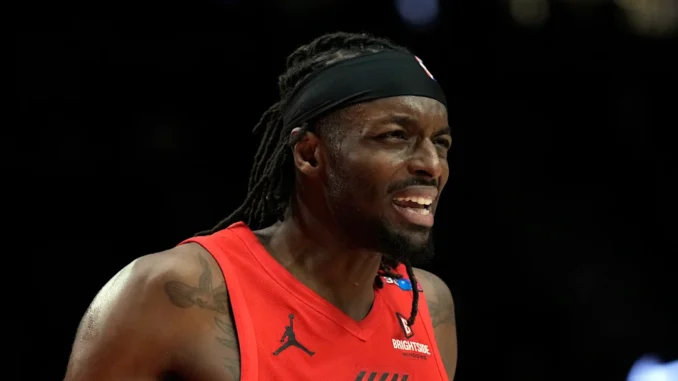
Jerami Grant Trade Would Prime Bucks for Disaster: Portland Knows All About It
The Milwaukee Bucks are in crisis mode. As of December 2025, the team is struggling mightily, with Giannis Antetokounmpo sidelined by a calf injury and rumors swirling about his long-term commitment to the franchise. Reports from credible NBA insiders like Jake Fischer indicate that the Bucks are “big-game hunting” on the trade market, desperately seeking upgrades to convince their two-time MVP to stay. One name that has persistently surfaced: Portland Trail Blazers forward Jerami Grant.
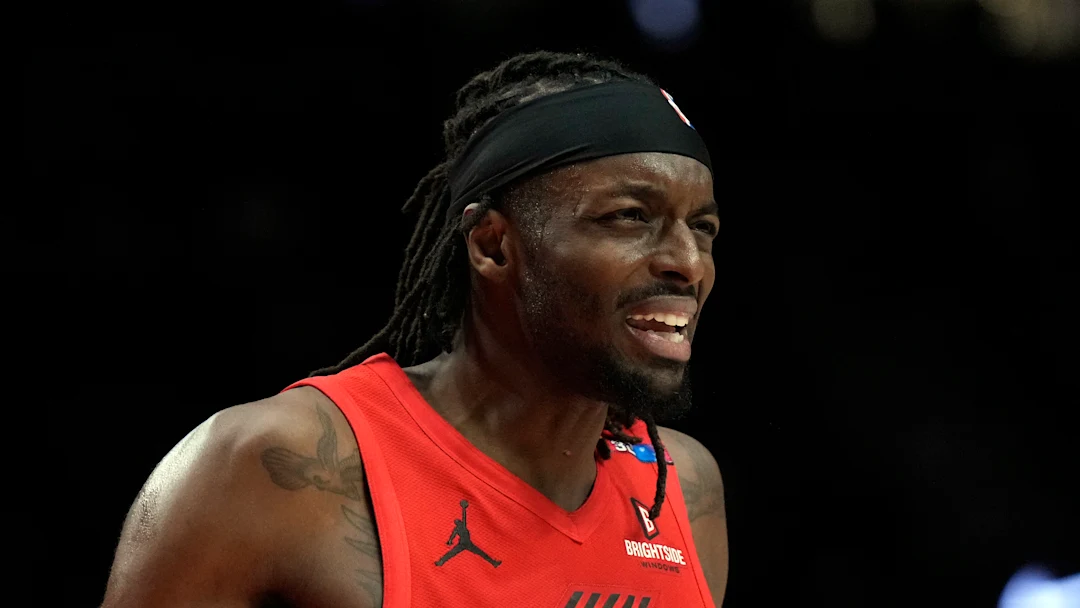
Grant, a 6-foot-7 wing known for his scoring and defensive versatility, has been on Milwaukee’s radar for years. With Portland controlling several of the Bucks’ future first-round picks from the Damian Lillard trade aftermath, the irony is thick. But here’s the cautionary tale: Portland’s own experience with Grant should serve as a blazing red flag for Milwaukee. Trading for him and committing long-term backfired spectacularly on the Trail Blazers, accelerating the departure of their franchise star (Lillard) and saddling them with an unmovable contract during a rebuild. The Bucks risk the exact same fate.
Portland’s Jerami Grant Experiment: A Case Study in Overcommitment
Let’s rewind to the summer of 2022. The Trail Blazers, still in win-now mode around Damian Lillard, acquired Grant from the Detroit Pistons in exchange for a 2025 first-round pick (via Milwaukee, top-4 protected) and some seconds. At the time, Grant was coming off a breakout season in Detroit, averaging 22 points per game with solid defense and 3-point shooting. He seemed like the perfect co-star: a versatile forward who could space the floor, create his own shot, and guard multiple positions.
Portland wasted no time locking him up. In July 2023, just a year after the trade, they signed Grant to a five-year, $160 million extension—averaging $32 million per year, with a player option in the final season (2027-28) for $36.4 million. The deal was fully guaranteed, starting at around $28 million and escalating annually.
What happened next? Disaster.
Literally one day after Grant inked his massive extension, Lillard requested a trade. The Blazers’ contention window slammed shut. They pivoted to a full rebuild, drafting young talents like Scoot Henderson and acquiring pieces like Deandre Ayton and Deni Avdija. Suddenly, Grant—a 29-year-old (now 31) veteran on a bloated contract—no longer fit the timeline.
His performance dipped sharply. In the 2024-25 season, Grant played only 47 games, averaging a career-low 14.4 points on abysmal 37.3% shooting from the field and 36.5% from three. Health issues cropped up, and he was overtaken on the depth chart by younger wings like Avdija and Toumani Camara. Portland tried desperately to trade him, but his contract became toxic. Teams balked at the $102.6 million owed over three years (including ~$32 million in 2025-26 and ~$70 million combined for the next two). Blazers GM Joe Cronin initially demanded two first-round picks—a laughable ask that drew mockery from scouts league-wide. No takers emerged.
Even this season (2025-26), despite a bounce-back start where Grant has flashed 20+ points per game on better efficiency (~40% from three early on), his value remains questionable. He’s still overpaid relative to production, and Portland views him as a favorite of Cronin but ultimately a mismatch for their youth movement. The Grant trade and extension didn’t just fail to extend their contention era—it hastened Lillard’s exit and left them stuck with negative asset value.
Why This Spells Trouble for the Bucks
Fast-forward to now. The Bucks are in a eerily similar position: a superstar (Giannis) whose patience is wearing thin amid roster shortcomings, a front office scrambling for win-now help, and limited assets due to past trades (including those picks now owned by Portland).
Milwaukee’s reported interest in Grant stems from desperation. They’ve already made bold moves—waiving an injured Lillard to create space, signing Myles Turner, trading Khris Middleton for Kyle Kuzma (who has underperformed). But the team is floundering. Giannis’ calf injury has exposed depth issues, and the supporting cast around him (Kuzma, Turner, etc.) hasn’t elevated them to contender status.
Grant, on paper, could help. He’s a secondary scorer who can stretch defenses and provide switchable defense—qualities the Bucks crave next to Giannis. Proposed trades often center on swapping Kuzma (~$22-23 million salary) plus fillers (like Bobby Portis or minimums) and perhaps some second-round picks. Portland, holding Milwaukee’s 2028-2030 firsts, might even sweeten a deal by returning some pick swaps.
But dig deeper, and the risks scream “Portland redux.”
- Grant Isn’t a Needle-Mover: At 31, coming off a disastrous 2024-25, Grant is a solid 15-20 point scorer on good nights—but not an All-Star caliber wing who transforms a contender. His career highs came in low-pressure situations (Detroit tanking, early Portland). In Milwaukee, he’d be the third or fourth option behind Giannis (and perhaps others). If he averages 18-20 points on decent efficiency, great—but that’s not pushing the Bucks past Boston, New York, or Philadelphia in the East. Analysts like those at ClutchPoints and Behind the Buck Pass have called him out: talented, but overpaid and unlikely to sway Giannis long-term.
- The Contract Trap: Taking on Grant’s deal (~$32 million this year, ~$35-36 million next, with the player option) would lock the Bucks into high payroll amid second-apron restrictions. Milwaukee is already deep in luxury tax territory historically and has maneuvered (e.g., Middleton trade) to gain flexibility. Adding Grant’s escalating salary could hard-cap them again, limiting future moves. If he regresses (as he did last year), he’s untradeable—just like in Portland. The Blazers couldn’t dump him without attaching assets; the Bucks, with even fewer picks, would be worse off.
- Giannis Parallel to Lillard: Portland committed big to Grant thinking it would keep Lillard happy and contending. Instead, it signaled false hope, and Lillard bolted. The Bucks trading for Grant sends the same message: “We’re trying, but with mid-tier help.” If Grant doesn’t deliver immediate contention (spoiler: he won’t alone), Giannis could follow Lillard’s path—requesting out. Reports already suggest Giannis has explored options quietly.
- Health and Age Risks: Grant’s injury history (missing significant time last year) adds uncertainty. Pair that with Giannis’ current calf issue and an aging core—it’s a recipe for more missed games and frustration.
- Better Alternatives Exist: Rumors link the Bucks to Zach LaVine (more explosive scoring, though similar contract concerns), Andrew Wiggins, Dejounte Murray, or even holding for a bigger swing. Grant feels like settling—buying high after his early-season rebound, ignoring the broader track record.
The Potential Trade Frameworks and Why They Fail Milwaukee
Mock trades floated include:
- Bucks send Kyle Kuzma + Bobby Portis (or minimums) + seconds to Portland for Grant.
This matches salaries but gives Portland salary relief (Kuzma’s deal is shorter/cheaper) while Milwaukee takes on longer-term money. Portland wins by shedding Grant; Bucks get a slight upgrade but inherit the albatross.
- Multi-team deals routing Grant elsewhere while Bucks retrieve their own picks.
Unlikely, as Portland values those picks highly.
In any scenario, the Bucks overpay in future flexibility for marginal present gain.
Learn from Portland’s Mistake
The Trail Blazers thought Jerami Grant was the missing piece to sustain contention around Lillard. They traded assets, then overpaid to keep him—only for the star to leave and the contract to become dead weight. Milwaukee stands at the same crossroads with Giannis.
Pursuing Grant isn’t “big-game hunting”—it’s panic buying a flawed asset that Portland regrets. It won’t convince Giannis to stay; it might accelerate his exit. The Bucks need a true co-star or a roster reset, not a recycled mistake from the team holding their future picks hostage.
If Milwaukee pulls the trigger, they’ll soon know exactly what Portland endured: regret, stagnation, and a superstar walking out the door.
Leave a Reply