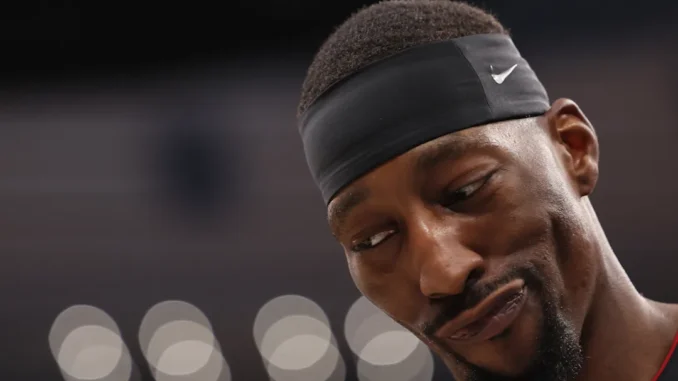
The Miami Heat have long dreamed of landing a superstar to pair with Bam Adebayo and elevate them back to championship contention. In the current landscape of January 2026, with the NBA trade deadline approaching on February 5, that dream has centered on two-time MVP Giannis Antetokounmpo from the Milwaukee Bucks. Recent reports indicate the Bucks are listening to aggressive offers for the 31-year-old Greek Freak, who has expressed readiness for a new home after 13 years in Milwaukee. Among suitors like the New York Knicks, Golden State Warriors, and Minnesota Timberwolves, the Heat stand out as a frontrunner in many league circles.
The pathway for Miami to acquire Antetokounmpo has become crystal clear: it hinges on aggressively bolstering their trade assets—particularly draft capital—through smaller moves or multi-team constructions to overcome limitations in their pick supply and compete in what could be a heated bidding war.
The Current Rumors and Context
As of late January 2026, ESPN’s Shams Charania reported that Antetokounmpo is prepared for a trade either before the deadline or in the offseason, with the Bucks more open than ever to discussions but not rushing unless their price is met. That price reportedly includes blue-chip young talent and/or a surplus of draft picks to kickstart a rebuild. League executives have pointed to Miami as having a “real shot” at crafting a deal, with insiders like Marc Stein noting a “vibe of confidence” from the Heat organization. Miami believes it can position itself favorably, especially if Antetokounmpo pressures Milwaukee to act sooner rather than later.
The Heat’s appeal lies in their winning culture under Pat Riley, a strong supporting cast around Adebayo, and the lifestyle draw of South Beach—factors that could help secure an extension from Antetokounmpo post-trade. However, challenges remain: Miami’s draft assets are constrained due to prior deals (e.g., the Terry Rozier trade with Charlotte restricts consecutive-year picks), and they face competition from teams like the Warriors (with more immediate picks) or Knicks (potentially preferred by Giannis in some reports).
Miami’s Key Trade Assets
To make a compelling offer, the Heat would likely build around:
- Young talent: Tyler Herro (a Milwaukee native and former All-Star scorer), Kel’el Ware (a promising rookie big with upside), Nikola Jovic, Jaime Jaquez Jr., and possibly others like Kasparas Jakucionis.
- Salary matching: Contracts like Herro’s, Andrew Wiggins (if acquired recently), or Terry Rozier (expiring) to absorb Giannis’ roughly $58 million salary without hitting severe apron restrictions.
- Draft capital: Currently limited to 2030 and 2032 first-round picks (with protections or restrictions on earlier years). This is the critical bottleneck.
Proposals floated in media include packages like Herro, Ware, Jovic, Fontecchio/Simone, and picks/swaps, but these often fall short without additional assets.
The Crystal Clear Pathway: Acquiring More Picks
The clearest and most repeated theme across reports is that Miami’s realistic chance depends on adding one or two more first-round picks—ideally sooner ones—to turn their offer from “interesting” to “overwhelming.” With only two tradable firsts now (distant ones), they risk being outbid by teams offering more volume or better years.
How can they do this?
- Pre-deadline smaller trades to stockpile picks: Move players not central to a Giannis package (e.g., Wiggins, Norman Powell, or even Herro in a separate deal) for incoming first-rounders. Reports suggest Miami is exploring such moves to “fortify their asset war chest” for a superstar pursuit. A deal bringing back a 2027 or 2028 pick (perhaps from Golden State or elsewhere) would immediately expand their offer to four firsts (e.g., 2027, 2028, 2030, 2032), plus swaps.
- Multi-team deals: Loop in a third or fourth team to reroute picks. For instance, a team with extra assets (e.g., one rebuilding or flush with picks) could facilitate by taking on salary or providing unprotected picks in exchange for Heat players or protections relief. This is the scenario many analysts highlight as the “clearest path,” especially if the Bucks demand more immediate value.
- Offseason flexibility: If no deal happens by February 5, Miami gains leverage post-draft. They could include a 2026 pick (from their own draft) or remove protections, offering up to four firsts plus young talent in summer negotiations. This avoids deadline pressure but risks Giannis landing elsewhere (e.g., Knicks if he waits).
Potential Trade Framework
A blockbuster might look like this (hypothetical, based on circulating ideas):
- Heat receive: Giannis Antetokounmpo (and possibly Thanasis for family reasons).
- Bucks receive: Tyler Herro, Kel’el Ware, Jaime Jaquez Jr./Nikola Jovic, multiple first-round picks (2030, 2032, plus newly acquired 2027/2028 via side deals), and swaps.
Adding a third team could sweeten it further—e.g., sending a Heat expiring to a cap-strapped squad for an extra pick routed to Milwaukee.
Risks and Realities
Even with extra picks, success isn’t guaranteed. The Bucks may hold out for a rebuild jackpot (more picks or a higher-upside prospect). Antetokounmpo could prefer New York or elsewhere. Miami’s culture and Bam pairing remain huge draws, but Pat Riley’s pursuit of his “white whale” has been patient—now the window is open.
In summary, the Heat’s pathway is straightforward: aggressively trade for additional draft capital now (via smaller deals or multi-team constructs) to present Milwaukee with an irresistible package before the deadline. If they succeed in adding those picks, the dream of Giannis in a Heat jersey could become reality, transforming Miami into instant title favorites. If not, the wait continues into the offseason, where flexibility grows but competition intensifies.
Leave a Reply