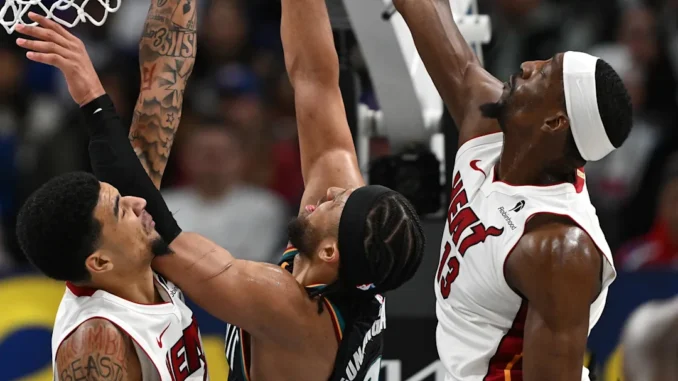
Erik Spoelstra Is Leaning into What Heat Fans Want
As the Miami Heat navigate the second half of the 2025-26 NBA season, head coach Erik Spoelstra appears to be shifting his approach in a way that directly addresses long-standing fan frustrations. With the team hovering around .500 (reports place them at 29-27 entering the All-Star break in February 2026), Miami has struggled with consistency, injuries, and a perceived reluctance to fully embrace youth development amid a competitive but underwhelming roster. Spoelstra, known for his championship pedigree and defensive intensity, has historically prioritized winning now—often at the expense of minutes for younger players. Recent games and comments suggest he’s beginning to pivot, giving more runway to prospects like Kel’el Ware, Kasparas Jakucionis, and Pelle Larsson, while experimenting with lineups that excite the fanbase.
This shift comes after a frustrating stretch, including an embarrassing home loss to the tanking Utah Jazz in early February 2026. Fans have long clamored for the Heat to “lean young”—to prioritize development of high-upside talents over clinging to veteran-heavy rotations that haven’t delivered consistent results. Spoelstra’s postgame comments and in-game adjustments indicate he’s hearing that call. In recent outings, he’s increased minutes for rookies and sophomores, re-inserted Ware into the starting lineup alongside Bam Adebayo, and expanded roles for Jakucionis in the backcourt. These moves represent a potential sweet spot: maintaining competitiveness while investing in the future.
The Fan Frustrations Leading to This Moment
Miami Heat fans are among the most passionate and demanding in the league, shaped by the Big Three era’s success and Pat Riley’s relentless pursuit of titles. Expectations remain sky-high despite roster limitations—no max superstar since Jimmy Butler’s prime, persistent injury issues (e.g., Tyler Herro limited to just 11 games this season), and a silent trade deadline in February 2026 where the Heat were the only Eastern Conference team not to make a move.
Key grievances include:
- Over-reliance on veterans like Norman Powell and Andrew Wiggins, who have underperformed relative to expectations.
- Limited minutes for young bigs like Ware (a 2024 draft pick with athletic upside) and guards like Jakucionis.
- A defensive-first identity that sometimes stifles offensive creativity, leading to stagnant play.
- Perceived stubbornness from Spoelstra in sticking to proven rotations even when results falter.
Spoelstra has addressed these indirectly. He expressed happiness that fans want more Ware playing time, noting the center’s “talent is there” but emphasizing professionalism and growth. After calling out Ware earlier for “playing bad on purpose” due to frustration, Spoelstra walked it back, praising the young player’s rebounding and force in recent games. This reconciliation signals a willingness to adapt—fans want accountability paired with opportunity, and Spo appears to be delivering both.
Recent Adjustments: A Rotation That Balances Now and Future
Against the Jazz and in follow-up games, Spoelstra experimented with a bigger frontcourt: Adebayo and Ware starting together. Despite foul trouble limiting Ware to 14 minutes in one contest, the pairing showed promise—strong rebounding (Adebayo with 14, Ware with 12 in a win over New Orleans) and defensive potential. Fans have pushed for this duo as a long-term building block, and Spoelstra’s willingness to test it amid injuries (Herro, Powell, Larsson, Wiggins out) suggests necessity evolving into strategy.
In the backcourt, Jakucionis has seen expanded minutes, providing ball-handling and shooting potential. Pelle Larsson has earned trust for his ruggedness and versatility. These changes allow the Heat to “lean young” without fully punting—still pushing for playoffs (eighth in the East at break) while evaluating assets for the offseason.
Spoelstra’s comments reinforce this: He loves the “youthful exuberance” in the locker room and wants fans excited about the group. By increasing development opportunities, he’s aligning with calls for a reset—soft tanking or not—without abandoning the “Heat Culture” mantra of competing every night.
Challenges and Risks in the Shift
This pivot isn’t without hurdles. Adebayo and Ware’s pairing has a modest net rating (around 0.6 in shared minutes), with defense dipping slightly. If they can’t coexist consistently, it could force tough offseason decisions—trade one to maximize value? Spoelstra must solve this riddle quickly, as fans view both as foundational pieces.
Injuries complicate everything. Herro’s uncertain timeline (no firm return date, progressing behind the scenes) limits offensive firepower. If key veterans return post-break (starting February 20, 2026), Spoelstra faces pressure to revert to winning-now lineups, potentially sidelining youth again.
The silent deadline—failing to land Giannis Antetokounmpo or make other moves—left Miami in limbo. Spoelstra preached a “high ceiling” and consistency, but fans want more aggression. Leaning into youth could be a compromise: develop internally while preserving cap flexibility for 2026 free agency (targeting stars like Donovan Mitchell, though LeBron James’ decisions loom large).
Broader Implications for Spoelstra and the Heat
Spoelstra’s adaptability shines here. After an “embarrassing” first-round exit in 2025 (swept by Cleveland), he revamped the offense toward pace-and-space elements, leading the league in pace at times. Now, he’s blending that with youth infusion. Success means a balanced roster—defense, development, and wins—potentially elevating Miami back to contender status.
Fans want to see progress: more Ware post-ups, Jakucionis creation, Larsson hustle. If Spo delivers consistent minutes and growth, it rebuilds trust. If not, calls for change (even soft tanking for lottery position) grow louder, especially with no 2027 first-round pick owed to OKC.
As the season resumes, Spoelstra’s lean into youth could define his legacy—proving the master tactician can evolve with fan demands while upholding championship standards. For a fanbase craving both immediate competitiveness and long-term hope, this feels like the breakthrough they’ve waited for.
Leave a Reply